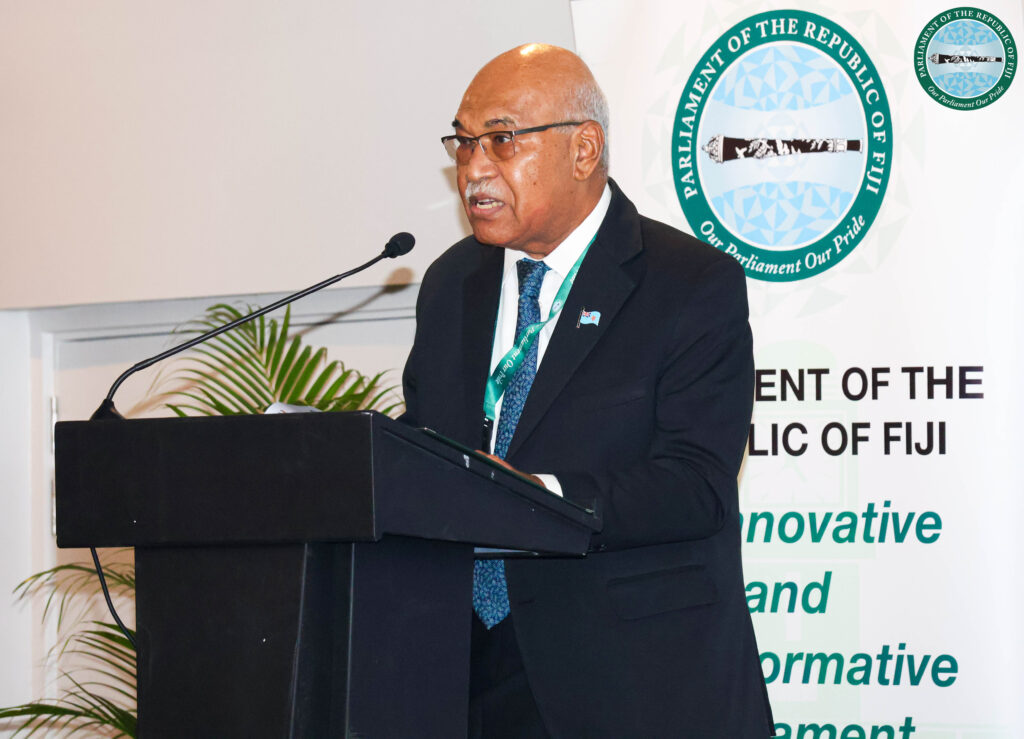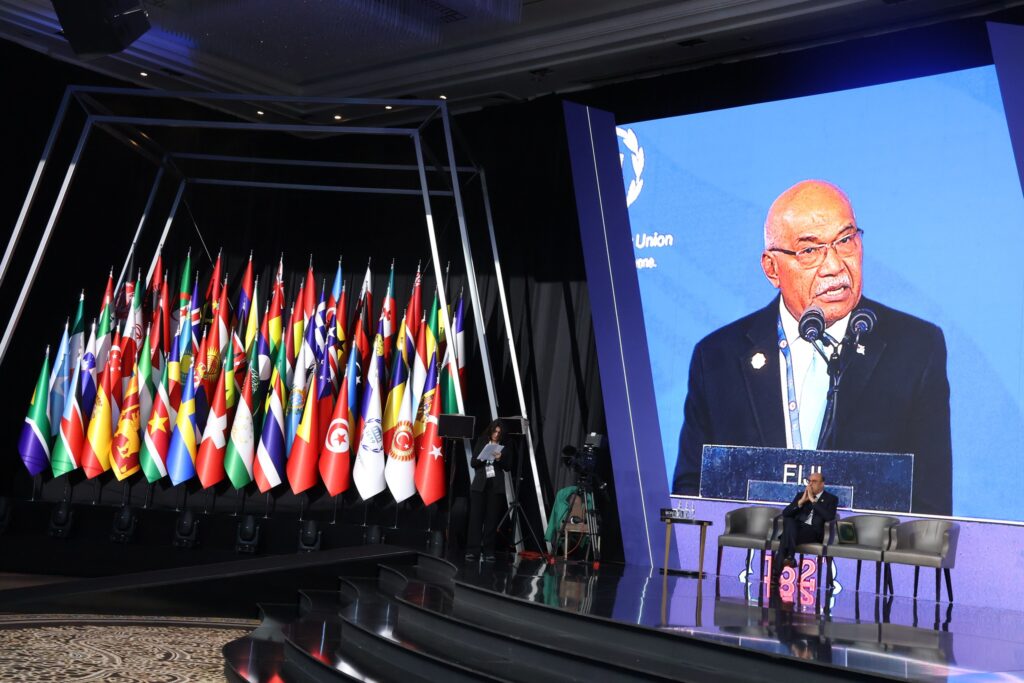

Opening Remarks at the SCORE Awareness Session for the Fijian Parliament
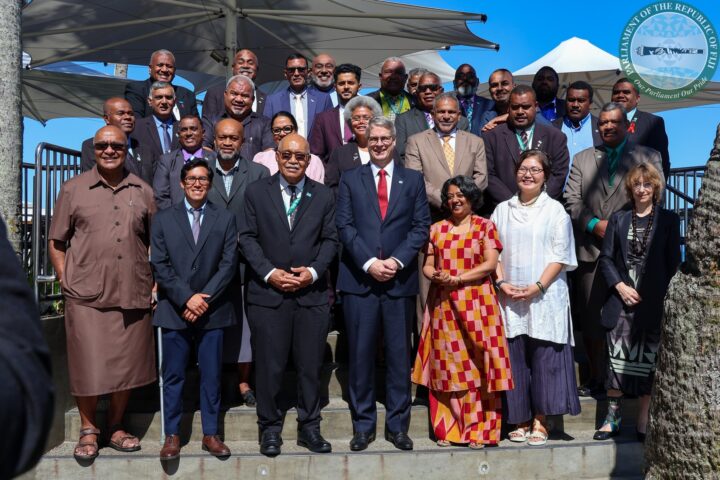
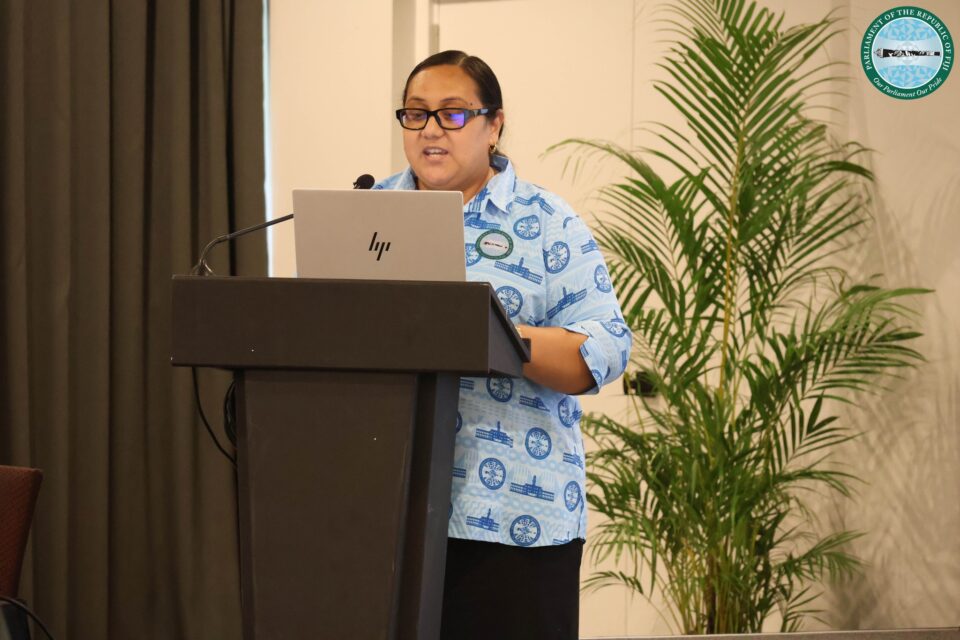
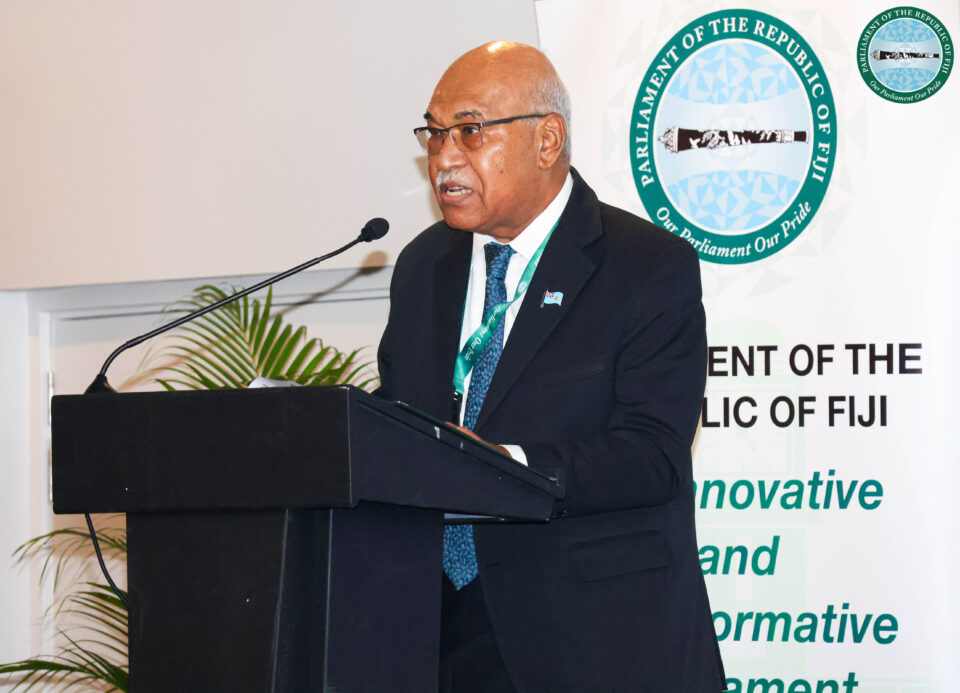
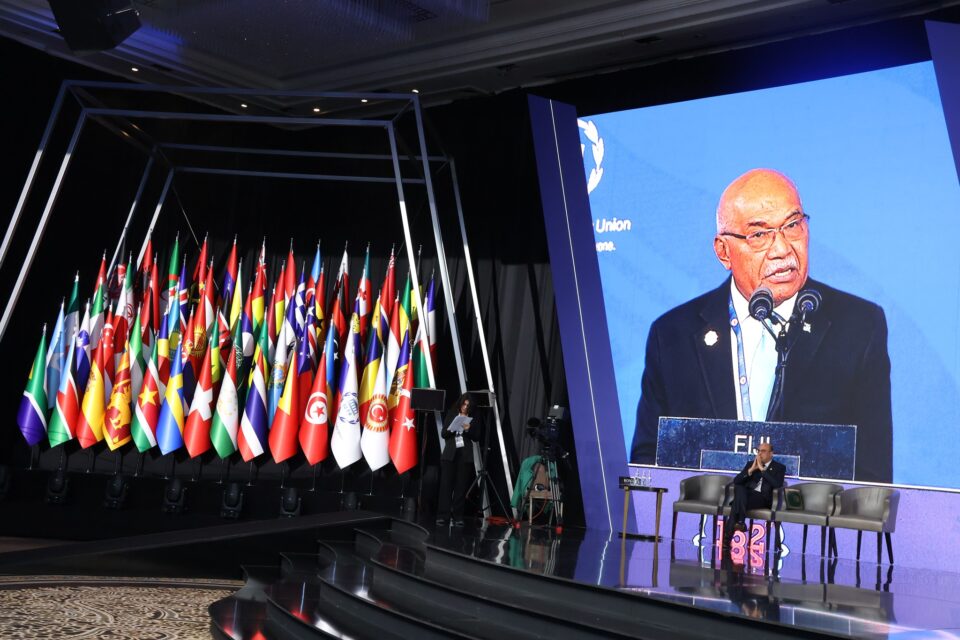
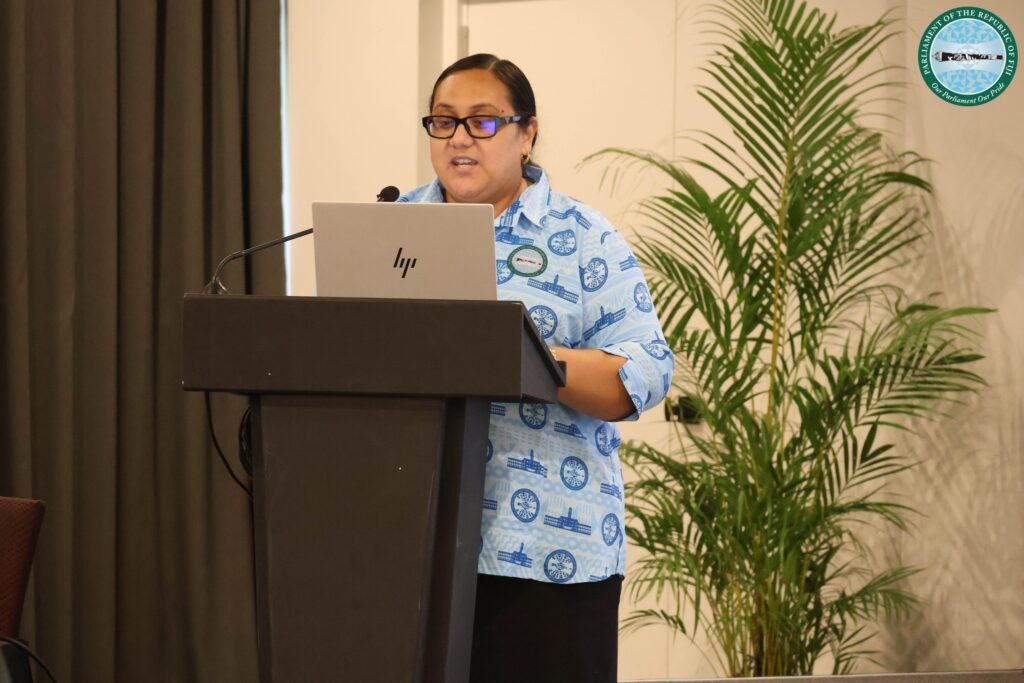
Members of Parliament at the SCORE Assessment seminar at Holiday Inn, Suva.
- Honourable Acting Prime Minister;
- Honourable Leader of the Opposition;
- Honourable Ministers and Assistant Ministers;
- Honourable Members of Parliament;
- The UN Resident Coordinator, HE Dirk Wagener;
(I am glad to see Your Excellency none the worse for wear this morning)
- The UN Resident Representative, Ms Munkhutuya Altangerel;
- Distinguished facilitators;
- Ladies and Gentlemen.
I acknowledge the Traditional Owners and Custodians of the land on which we are gathered here today, ki na Vanua ko Nadonumai, vei ira na Turaga Tui Suva, I pay my respect to their Elders/Chiefs, past, present and emerging.
It is my pleasure to welcome you all to this Social Cohesion and Reconciliation (SCORE) Index Assessment.
I think you will agree with me, for those of you who, like me, still get your news update of what is happening around you, and the world, through our two (2) daily print medias, that there has been a lot said of late in meetings, conferences, workshops, touching on our theme today: SCORE (Social Cohesion and Reconciliation). I am hopeful that similar articles and thoughts have appeared in other social media outlets, to which I am not privy to, and that this morning, I am addressing not only Members of our Fiji Parliament who are familiar with the subject matter, but even better, if I am preaching to the converted.
Today’s discussion is intended to support our shared responsibility to safeguard national unity, social cohesion, and democratic resilience in Fiji. The Social Cohesion and Reconciliation (SCORE) Index Assessment provides us with an evidence‑based snapshot of how people across the country perceive issues such as trust, inclusion, governance, and social harmony, can peacefully co-exist. Importantly, this dialogue is not about political positions, but about understanding the lived experiences and perceptions of our people and reflecting on how policy and leadership can respond constructively.
As Members of Parliament and public leaders, you have your fingers on the pulse of our society, but this assessment brings us a detailed picture through data that has been collected methodically and scientifically across all strata of our society. Where we might have the anecdotal evidence from conversations held around the Tanoa or observations made whilst watching the Drua, the SCORE assessment brings such perceptions together for structured and rigorous analysis.
What is SCORE and Why it Matters
The SCORE assessment captures the voices of ordinary citizens from different backgrounds, communities, and regions. It helps us understand not only where risks to peaceful co-existence and trust may exist, but also where strengths and protective factors are already present. For parliamentarians, as public leaders and custodians of Fiji’s democracy, this kind of data is valuable because it complements laws and policies with insights into how they are experienced on the ground. It gives you a shared evidence base, to inform, debate, and decision‑making. As a former practitioner of law, I know evidence is everything.
Honourable Members, you are not only legislators. You are the most direct link between national policy and the communities you serve. Your constituents and under the 2013 Constitution, it means everyone, look to you not just to make laws, but to make sense of them, to translate what happens in the Parliament Chambers, into something meaningful at the village level, in the community hall, or around the kitchen table. The SCORE findings give you a new kind of tool for that work. Where the data points to gaps in trust, in inclusion, or a sense of fairness, those are themes of conversations you can have in your own constituencies (and in Fiji’s context it means the whole of the country), not as political messages, but as genuine dialogue. That is where cohesion is either built or eroded, not in Parliament, but out there, in the communities you represent.
Social Cohesion and the Role of Parliament
Social cohesion refers, in simple terms, to how well people live together: how much they trust one another, feel included, and believe that institutions act fairly and in their interest. When cohesion is strong, societies are more resilient; when it is weak,
misunderstandings and tensions can grow. Parliament plays a central role in shaping the laws, oversight, and national dialogue that influence these outcomes. The SCORE assessment helps highlight where parliamentary attention may strengthen trust and inclusion.
Key Insights From SCORE Assessment
The SCORE findings point to both challenges and opportunities for Fiji. They show that whilst trust and acceptance is high and there are also strong foundations of community resilience, shared identity, and commitment to peaceful co-existence, there also exist polarising dynamics linked to structural inequalities that if not properly dealt with can derail Fiji’s efforts at reconciliation and unity. These multi-layered realities remind us that effective leadership requires addressing risks whilst reinforcing what already works well within society.
Purpose of Today’s Discussion
The rationale for today’s session is not to debate the data itself, but to reflect on what it tells us about people’s experiences and expectations. Members are encouraged to consider how the SCORE findings can inform and assist policy dialogue, and legislative priorities, particularly on issues related to social cohesion, inclusion, and peaceful political engagement.
Fiji’s decision to undertake the SCORE assessment reflects the Government’s commitment to ground our national reconciliation efforts in evidence rather than assumption. What makes Fiji’s process distinct is that it has been nationally owned from the outset, shaped by Fijian institutions and communities rather than imposed from outside. Today, the key researchers behind the assessment will present the findings directly, giving Members the opportunity to engage with the evidence firsthand.
Guiding Principles for the Discussion
I encourage Honourable Members to:
- Engage with the findings constructively and respectfully;
- Focus on policy implications rather than political attribution;
- Consider SCORE as a tool to support prevention and long‑term stability; and
- Reflect on areas where Parliament can reinforce trust, dialogue, and unity.
Let me leave you with my final personal thoughts.
Next to the Hon. PM, I am the eldest in the room. With his indulgence, if I can speak for the elderly citizens of this nation.
If there is any words of wisdom, I have harnessed based on experience and knowledge of 48 years of public service, that impinges on our theme today, it is this:
Our country is at a crossroad. It has reached a decisive moment in its history. Fiji, a land of people of many races, religions and origins. Each of you gathered here today has a critical and yes, indispensable role to play in fostering trusts between our people, between our institutions in strengthening our different communities, binding them together, into one all-embracing and truly Fijian society.
All of you, without exception, have the unique privilege, given your status in our communities, to sow the seed of social cohesion, shared values and sense of belonging amongst our people that will bind us all as a whole for all times.
The Truth & Reconciliation Commission, the Constitution Review Commission, the Electoral Review Committee, the Election Commission Stakeholders Meetings and other on-going reviews and dialogues, reflect the very real desire of our people to move forward to a more accountable and transparent society that will contribute to trust-building and the feeling of belonging together.
So I say to you, your moment is NOW, and I ask all of you Honourbale Members of the Parliament of the Republic of Fiji to embrace it; OWN IT.
It may not come this way again and if you do not engage in the process, you would have missed the opportunity to help build a new vibrant and dynamic Fiji of tomorrow.
Closing
With that context, I invite the presentation of the SCORE findings, from our facilitators, and I encourage open and constructive dialogue.
Vinaka vakalevu, dhaanyavaad, Shukria!
-ENDS-