Ticker news is only displayed on the front page.



Speaker highlights need for strengthened legislative drafting support in Parliament
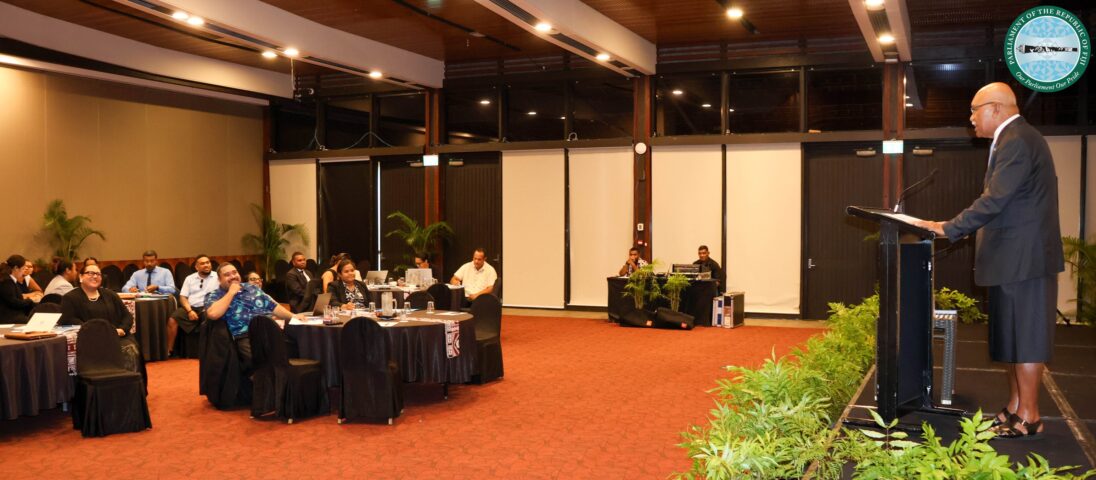
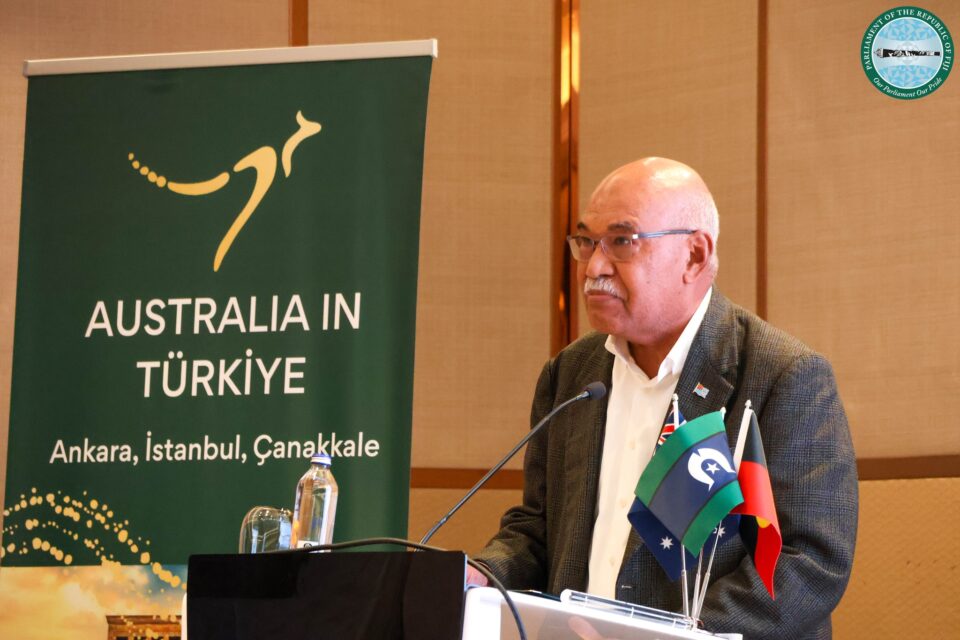
Speaker of the Fijian Parliament the Hon. Filimone Jitoko, today addressed participants at the Attorney‑General’s Litigation and Legislative Drafting Workshop, emphasising the importance of strengthening Fiji’s legislative processes to better meet public expectations and support effective law‑making.
In his remarks, the Speaker outlined the current journey of a Bill through Parliament and highlighted persistent challenges that impact the timely passage of legislation. These include procedural delays, drafting inconsistencies, and bottlenecks in the processing of amendments sought by Standing Committees.
“While our legislative process is robust, it is not without challenges,” the Speaker noted. “Standing Committees have reported delays in the return of Bills which ultimately affect public confidence in Parliament’s ability to deliver timely and effective legislation.”
The Speaker stressed the vital role of legislative drafters in ensuring that Bills are clear, constitutionally sound, and able to withstand parliamentary scrutiny. He called for improved collaboration between drafters, policymakers, and Standing Committees, and underscored the need for comprehensive guidance materials to continue to support consistent and high‑quality drafting.
Drawing on insights from a 2025 Fiji Parliament delegation visit to the Parliament of Victoria, Australia, the Speaker highlighted the model of the Office of the Chief Parliamentary Counsel (OCPC). The OCPC provides drafting services for both Government and Private Members’ Bills, offers legal advice to parliamentary committees, and maintains key legislative publications and standards.
“The Parliament of Victoria demonstrated the value of a dedicated drafting office that serves both Government and Parliament,” he said. “Their structure ensures consistency, responsiveness, and high‑quality legislative products.”
Hon. Jitoko revealed that the Fiji Parliament delegation unanimously recommended establishing a similar Office of Parliamentary Counsel within Fiji’s Parliament. The office would focus specifically on parliamentary legislative processes and support Standing Committees in their scrutiny of Bills.
“This is not duplication of the Solicitor‑General’s Office work,” he explained. “It is a targeted investment in strengthening Parliament’s legislative function.”
In closing, Hon. Jitoko reaffirmed Parliament’s commitment to transparency, accountability, and improved legislative outcomes.
“The public expects laws that are timely, clear, and effective. To meet that expectation, we must strengthen our institutions and processes.”